A capacitating pedagogy of care through food.
“Thought does not act.
Change happens through and in behavior.”
— François Roustang
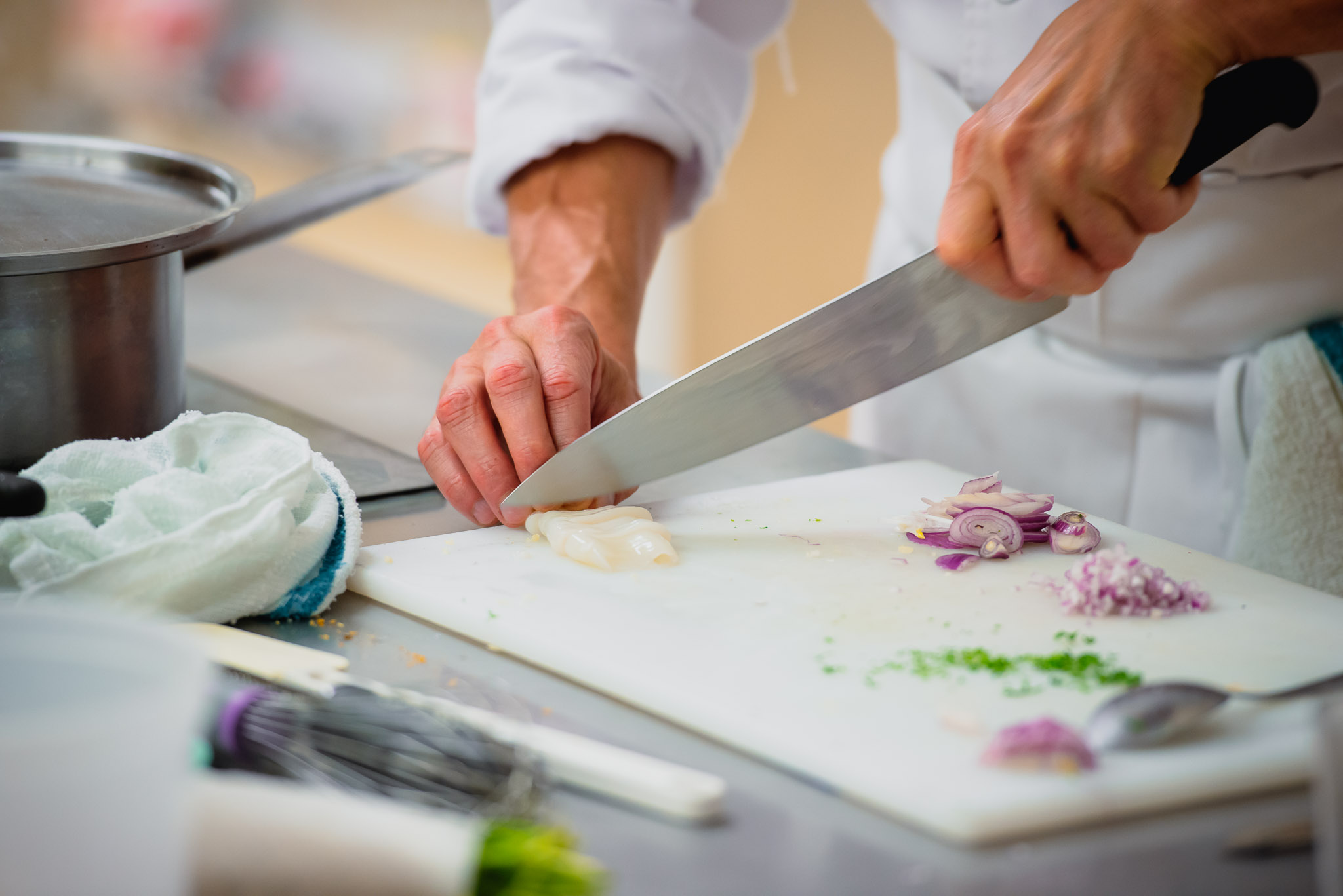
The gesture that thinks, feels, transforms
What Culinary Medicine is
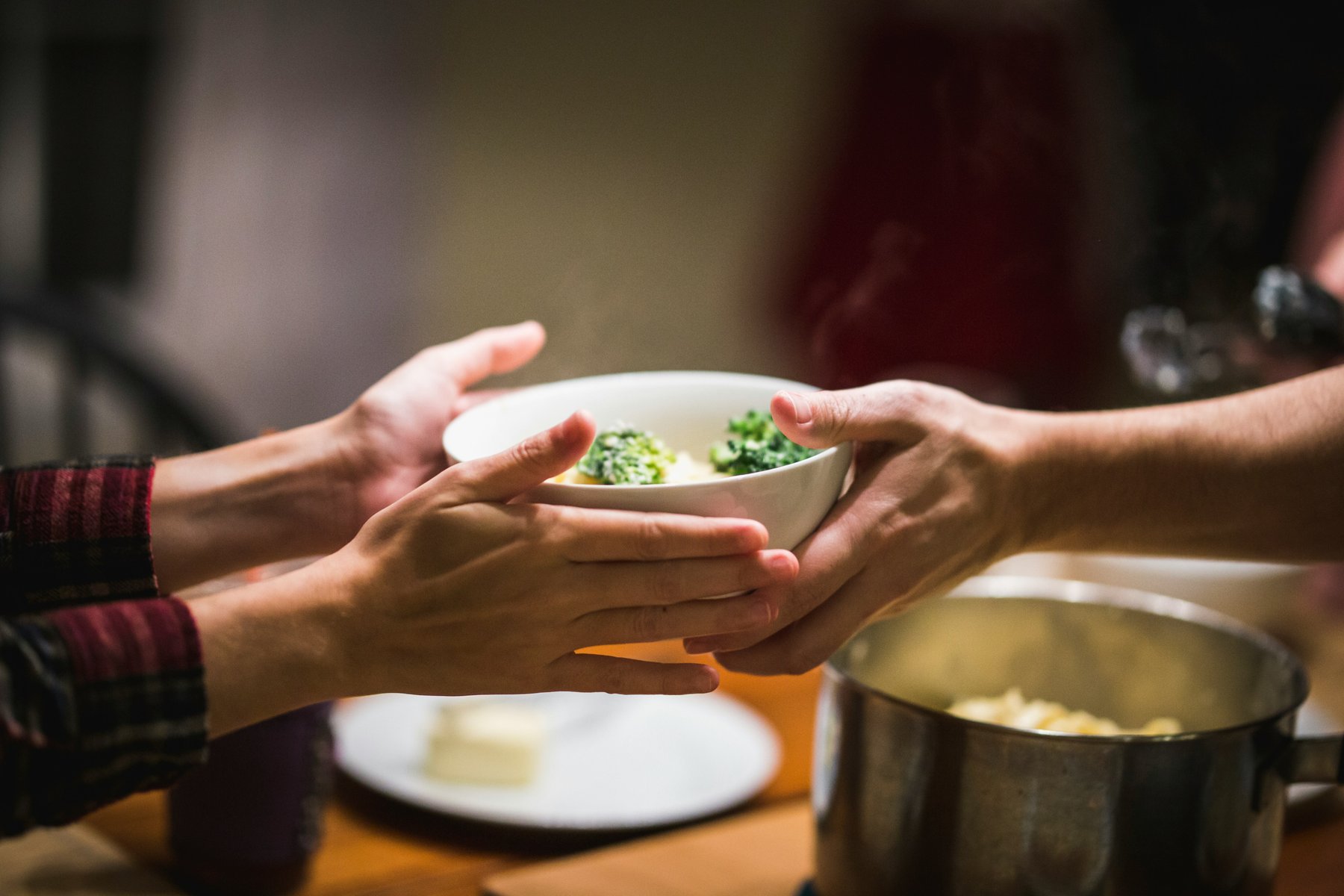
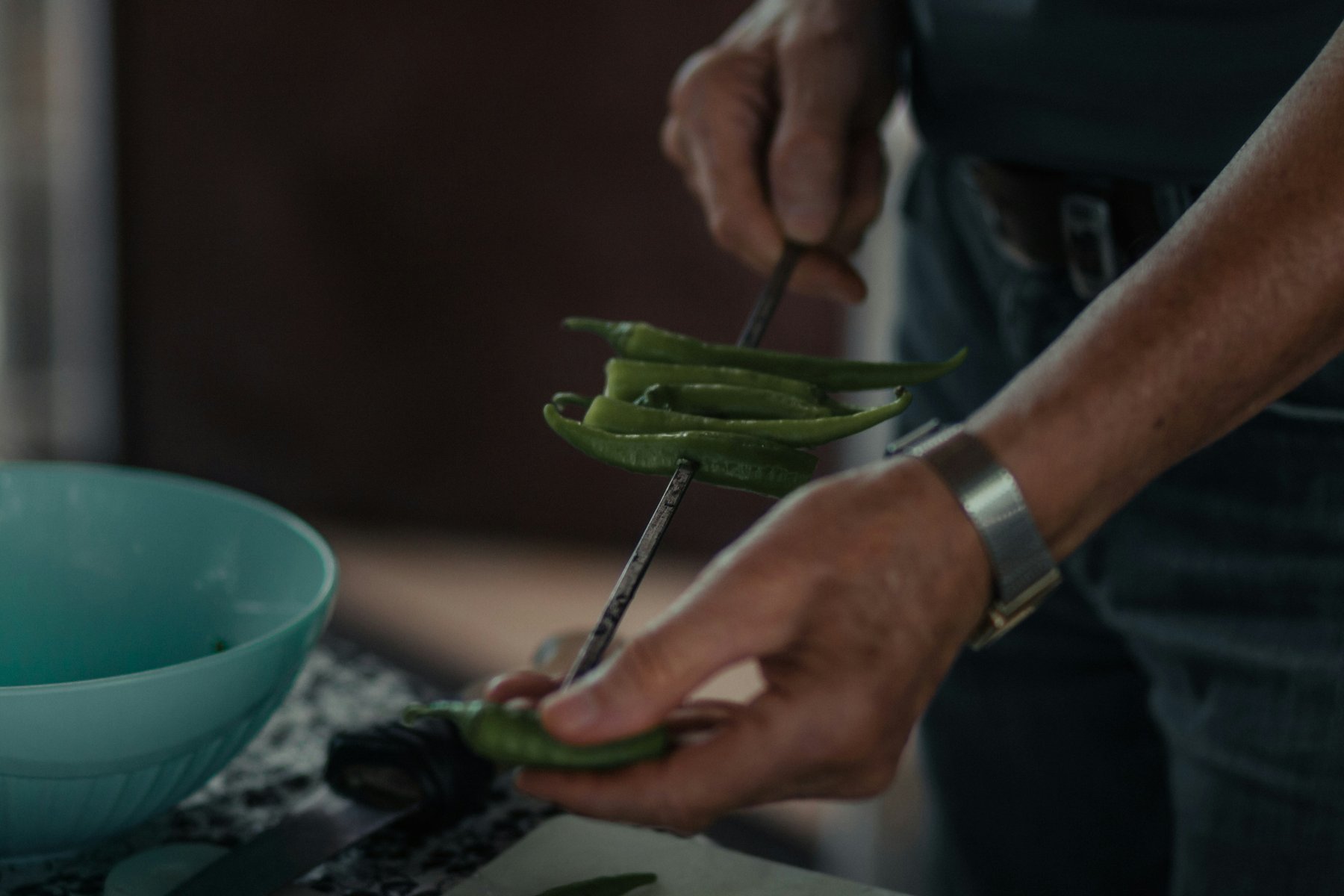
Imagine hands kneading dough, the aroma of an onion caramelising, the focused silence of a group tasting together for the first time. Eyes lit up by a sensory Eureka.
It is in those gestures and felt experiences that Culinary Medicine begins — not in a textbook, but in the living experience of a body that discovers and feels.
Culinary Medicine is a capacitating pedagogy of care through food — that is,
learning through action — combining medical knowledge, nutrition science and culinary practice.
The culinary arts are used as a means of intervention to make people capable of acting with and through food. Its praxis holds in four verbs: to feel, to act, to embody, to connect.
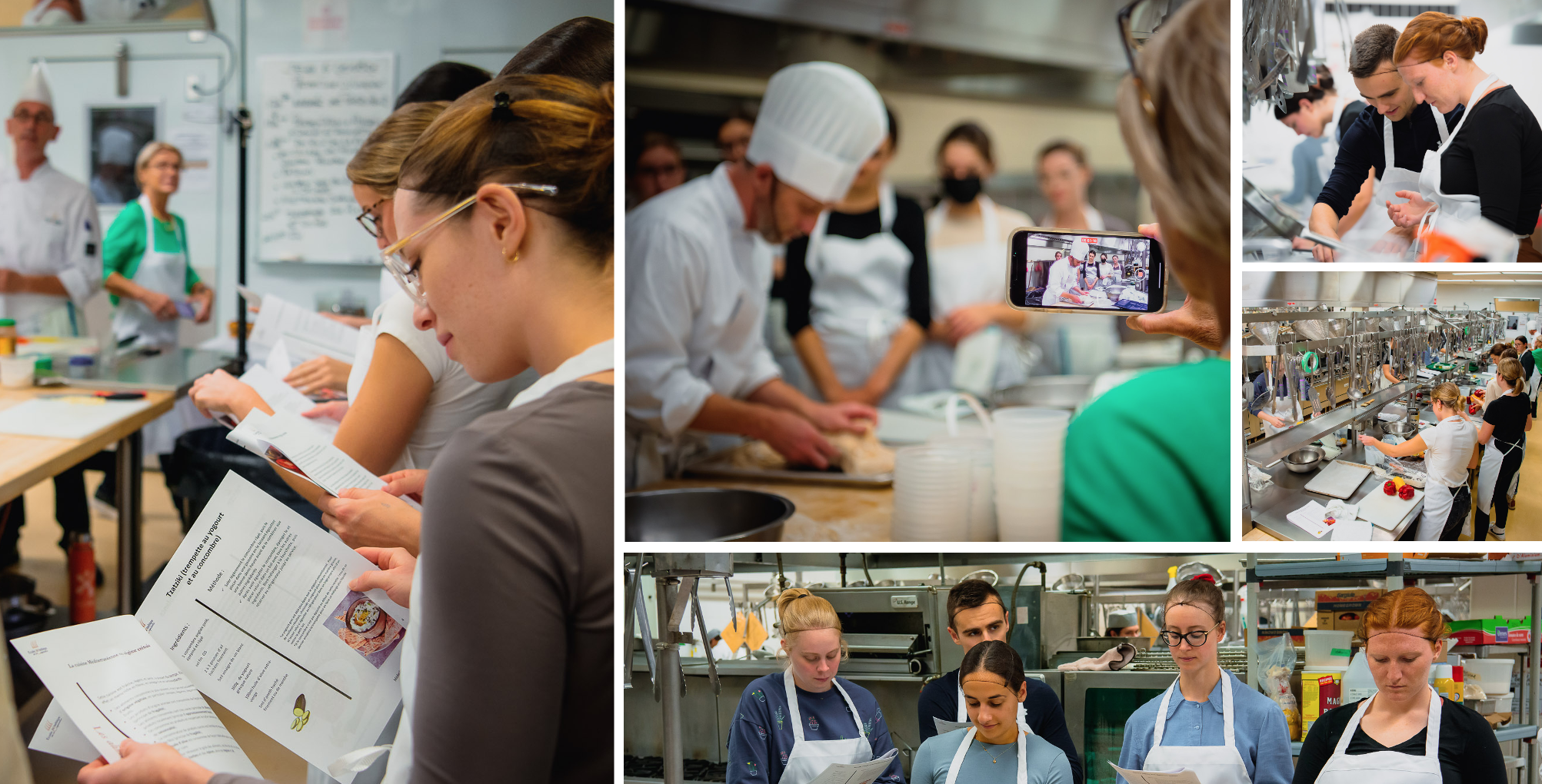
For us, pleasure is not the opposite of health — it is the engine of change.
Pleasure is not superficial: it anchors understanding in the body. That is what it means to be Epicurean.
“Wings are freedom only when they are spread for flight;
folded on the back, they are only a burden.”
Having resources, knowledge and recommendations is not enough — one must also be able to deploy them. This capability takes shape in food agency: the concrete, intentional and embodied ability to produce one's own meals in one's real environment.
The DNA — Seven founding pillars
Seven pillars articulated in four embodied categories.
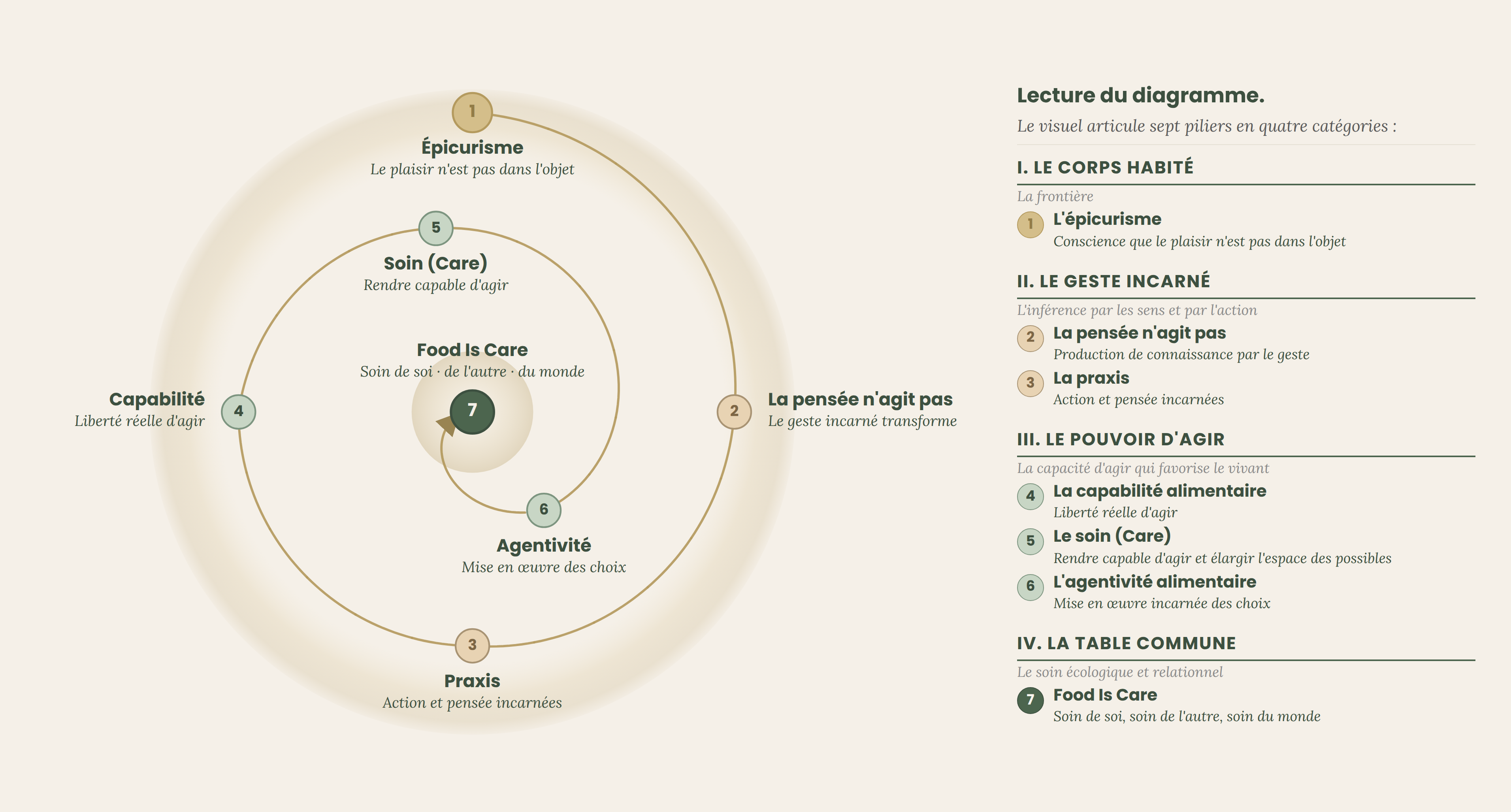
The boundary
Pleasure does not lie in the object, but in the inhabited body — the body is its locus. Visceral interoception guides decision before thought: sentio ergo sum. Pleasure is not the opposite of health — it is the engine of change, anchoring understanding in the body.
Epicurus · Marquet · Damasio
Inference through senses and action
Understanding does not suffice to change. Only the gesture, repeated and embodied, transforms. Action is inferential: we act to sample reality, to reduce uncertainty. The gesture does not execute a prior thought — it produces knowledge.
Roustang · Friston · Marquet
Action whose purpose is intrinsic to the act itself — it transforms the world and the one who acts. A reflex arc in which cognition and action do not follow one another, but generate one another.
Aristotle · Marquet · Sennett
The capacity to act that fosters life
The real freedom to understand, choose and act — beyond knowledge and resources. Always situated, relational, contingent: it is not the subject who becomes autonomous; it is the space of possibilities that widens.
Sen · Tsvétaïeva
The hinge of the power to act: care transforms the space of possibilities into effective agency. Care holds the boundary, enriches the sensory apparatus, activates the capacity to act. Care is the regulator of life that maintains (holding) the conditions of possibility for life itself.
Tronto · Laugier · Fleury · Winnicott
The concrete ability to produce a meal oneself, rather than depending on meals prepared by others. It goes beyond literacy: it turns knowledge into the power to act. The fruit of care received — not an individual prerequisite.
Trubek & Lahne
Ecological and relational care
To eat is to act with care for the living. Cooking, sharing, passing on are bound to this. Life is sustained through gestures of attention and reciprocity.
Lovelock · Hegel
The shared table welcomes everything:
— To live is to be in relation. —
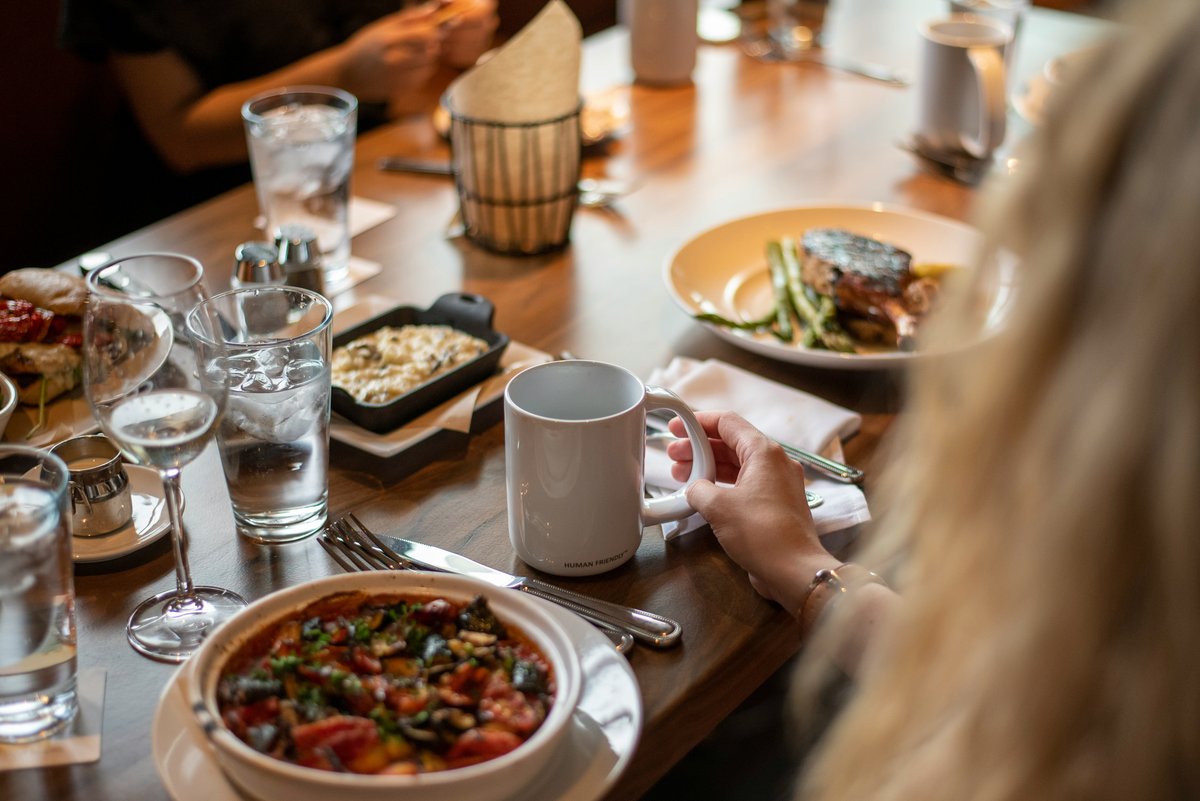
“We do not sit down at the table merely to eat, but to eat together.”— PLUTARCH
The need is documented. Diet-related chronic diseases are the leading cause of morbidity and mortality in industrialised countries.
Conventional nutritional advice fails to translate into behaviour because it stays within the realm of knowledge, with no articulation to gesture.
Pleasure is left out of health initiatives. Health is addressed to people as if they were at fault: often through injunctions, rarely as a joy and a vision of the world — nothing to engage the imagination.
Culinary Medicine offers an alternative:moving from knowledge to the power to act, through and within behaviour.
Critical distinctions
| Cooking class | Culinary Medicine |
|---|---|
| The recipe: the end goal | The recipe: a means of learning |
| Teaches: recipes | Develops the capacity to act through experience (activates capabilities) |
| Aim: to reproduce a recipe | To experiment in order to understand and develop one's food agency |
| External end — the dish | Internal end — the person (embodied and relational gesture) |
| Nutrition education | Culinary Medicine |
|---|---|
| Aim: to inform about what to eat | Aim: to transform the capacity to act |
| Mode: to prescribe norms | Mode: to capacitate (make capable of acting) |
| Approach: normative | Approach: pragmatism — the art of experience |
Traditional nutrition education struggles to translate knowledge into the power to act.We move beyond this nutritional reductionism by articulating desire and care. Pleasure and sensoriality — markers of an embodied and connected agency — are not obstacles to health, but its essential conditions.
Our distinctive approach
Traditional nutrition education frames the link between food and health from a biomedical, normative and prescriptive angle. It reduces food to a lever of individual health, while neglecting the relational, sensory, cultural and agentive dimensions of eating well. It struggles to translate knowledge into concrete agency.
We move beyond this reductionism by articulating desire and care. We embed food choices in an ecology of care that encompasses environments, communities and territory.
Where nutrition education informs, we activate capabilities.
Where it prescribes norms, we restore the power to act.
Where it addresses cognition, we engage the whole body — hands, mouth, gesture.
“We refuse to choose between pleasure and virtue.”
The taste of care, the care of taste
We affirm that food is an act of care:
care of self, care of others, care of the world.
Food is neither a drug to be prescribed,
nor a norm to be followed,
nor an instrumentalisation to be endured,
but a capacitating act of care to be embodied.
We do not transmit recipes,
but embodied actions and reflections in act.
The hand thinks as much as the head:
it discovers through action,
it understands through transformation.
We do not separate taste from health,
nor desire from care.
We refuse to choose between pleasure and virtue.
We do not dissociate the good from the beautiful.
The Erlebnis — the sensory, aesthetic, lived experience —
is not a luxury added to nutrition:
it is what makes a meal an act of care.
The beautiful is food for the soul.
And caring for the soul also means caring for the body.
We do not prescribe norms for food practices,
we make each person capable of acting —
in their real context.
Capability is not taught: it is embodied.
Our pedagogy does not seek to correct,
but to make capable —
capable of choosing,
capable of embodying one's choices,
capable of transforming oneself and of connecting.
We do not act better by thinking better — we understand better by acting.